The detail
Methods, variations and how we deploy.
A single page can't replace a walk-around and a written proposal, but this is what the work looks like in practice, so you know what you're comparing.
Door control, ID and refusals
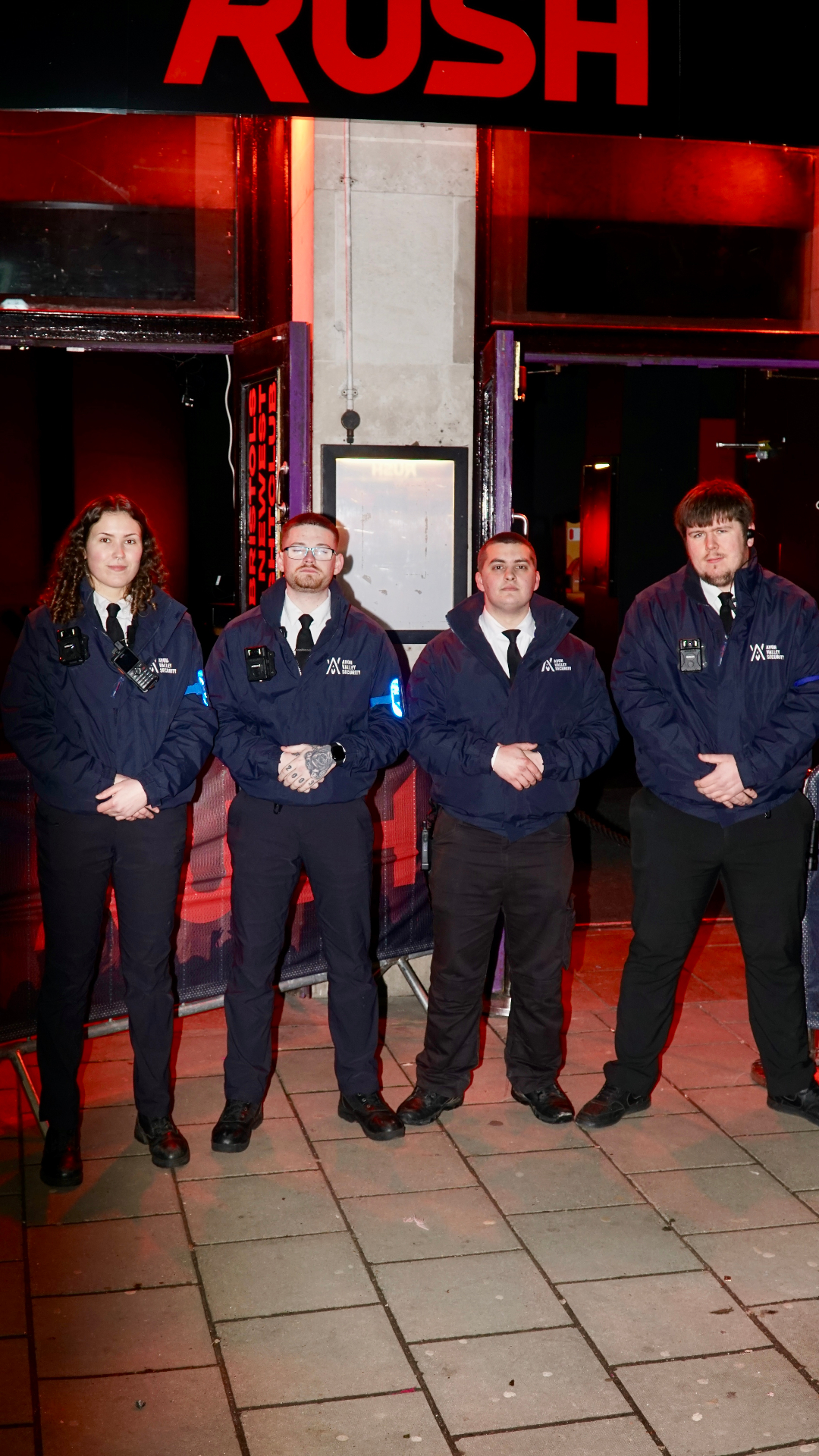
The door is where the night is won. Our supervisors run Challenge 25 as standard, check accepted forms of ID properly, and record every refusal with time, reason and officer, because a refusal register is the single most useful document a venue can produce at review. Dress code, condition of entry and re-entry policy are applied consistently, which removes the accusation of arbitrary decisions. Where a venue operates a barred list or a Pubwatch scheme, officers are briefed on it and use it, rather than relying on memory.
Searching, drugs and weapons policy
Search policy is written with you and applied evenly, so it is defensible rather than discriminatory. Officers are briefed on what is prohibited, how to conduct a proportionate search, how to handle a refusal, and how confiscated items are logged, stored and surrendered to police. Where a venue has a drug problem, we work with management and the local licensing officer on a documented response, which is usually the difference between a supportive authority and a hostile one.
Capacity, fire exits and evacuation
Counting discipline matters. In and out numbers are tracked, reconciled and reported to the duty manager through the night, and officers are briefed on the venue's capacity figure and the consequences of exceeding it. Fire exits and escape routes are checked at the start of every shift and kept clear during trade. Every officer knows their role in an evacuation before their first shift, including sweep areas and the assembly point, because that is not something to work out at 1am with a fire alarm sounding.
Vulnerability, spiking and safeguarding
Late-night venues carry real safeguarding responsibility. Officers are briefed to identify lone intoxicated customers, potential spiking, predatory behaviour and customers who need help getting home safely. Where a venue runs Ask for Angela, a safe-taxi scheme or works with a local street pastors or SOS bus team, our officers know the procedure and use it. Incidents are documented, and serious concerns are escalated to management and, where appropriate, police, rather than being resolved informally on the pavement.
Conflict management and use of force
The best door teams eject very few people. Officers are trained in conflict management and de-escalation, and the expectation is that force is a last resort, proportionate, and always followed by a written record including witnesses and any injuries. This protects the customer, the officer and the venue in equal measure. Where CCTV exists we ask management to preserve footage of any significant incident immediately, before it overwrites.
Dispersal and the wider night-time economy
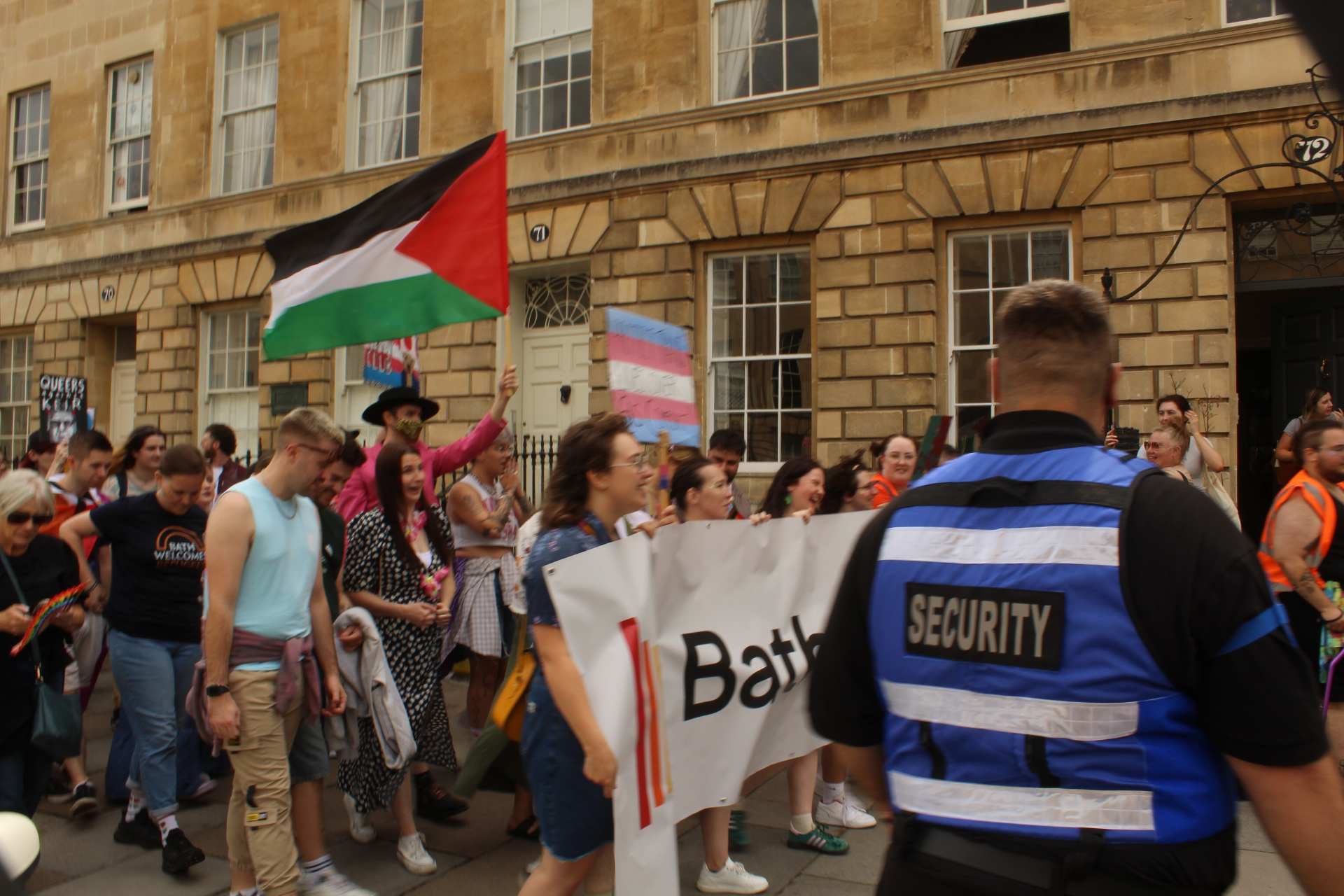
How your venue empties shapes your relationship with neighbours, police and the council. We manage a staged dispersal, keep the frontage moving, discourage groups congregating, support taxi marshalling and communicate with neighbouring venues and street marshals where a radio scheme exists. Over a trading year this is often the single biggest factor in whether a venue's licence conversation is routine or adversarial.